Style is far more than the clothes a woman wears or the makeup she chooses. It is an expression of personality, a mirror of emotions, and a reflection of both cultural background and individual confidence. When a woman steps into the world, her appearance speaks before she utters a single word. The colors she selects, the way she combines garments, the shape of her accessories, and even the subtleties of hair and makeup create a visual story. This story often reveals not only her tastes but also hints at her social standing, intelligence, and how she perceives herself in relation to the world around her.
Famed designer Coco Chanel once said, “Fashion passes, style remains.” The essence of this statement captures the difference between fleeting trends and the timeless identity that personal style provides. Fashion may dictate what fills the stores each season, but style is what transforms clothing into a lasting part of a woman’s self-expression.

Every woman communicates something unique through the way she presents herself. A preference for clean lines, neutral shades, and minimal jewelry might suggest a woman who values clarity, simplicity, and order. On the other hand, a love for bold colors, dramatic patterns, or elaborate accessories could hint at a vibrant spirit who embraces life with energy and creativity. In this way, style functions almost like a language without words.

The Relationship Between Fashion and Style
Fashion is often described as a cycle of change, dictated by designers, magazines, and social media influencers. Styles that are popular one year may fade into obscurity the next. Yet, true style has longevity. A woman with style knows how to adapt seasonal fashion to fit her personal identity without losing authenticity. She can experiment with what is new while filtering out what does not align with her inner self.
This balance between trend and individuality explains why some women appear effortlessly elegant regardless of what they wear. They understand that style is not about copying fashion but about creating harmony between outer appearance and inner character. By blending the new with the timeless, they establish a signature look that endures.
Exploring Different Style Archetypes
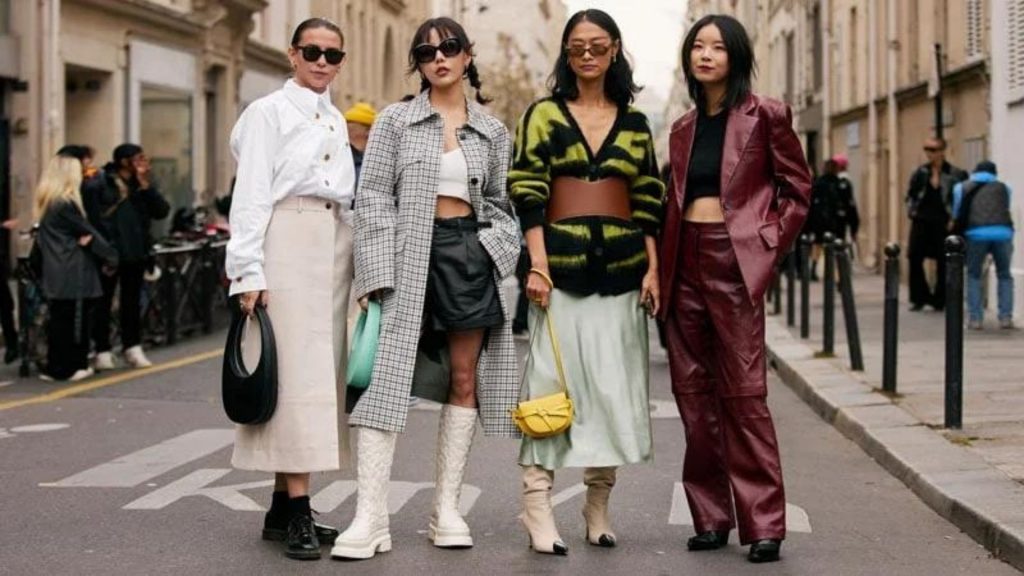
Throughout history and across cultures, stylists have identified recurring categories of women’s style. Each archetype offers a glimpse into different ways of self-expression. For example, the classic style favors tailored suits, neutral colors, and understated elegance, appealing to women who prioritize refinement and professionalism. The romantic style leans toward softness, lace, flowing fabrics, and pastel tones, reflecting tenderness and sensitivity.
Other styles reveal more dramatic personalities. The avant-garde style experiments with asymmetry, bold structures, and unconventional choices, making a statement of creativity and courage. The sporty style emphasizes comfort, activity, and practicality, signaling an energetic and modern lifestyle. Glamour style dazzles with sparkle, luxury fabrics, and striking silhouettes, embodying confidence and a desire to stand out.
These categories are not rigid boxes but rather guiding frames. Most women move fluidly between them depending on the situation. A woman may choose a business style for her career, a romantic style for an evening out, or a sporty style for her leisure. This adaptability highlights the versatility of modern femininity and the richness of personal expression.
The Social and Cultural Dimension of Style
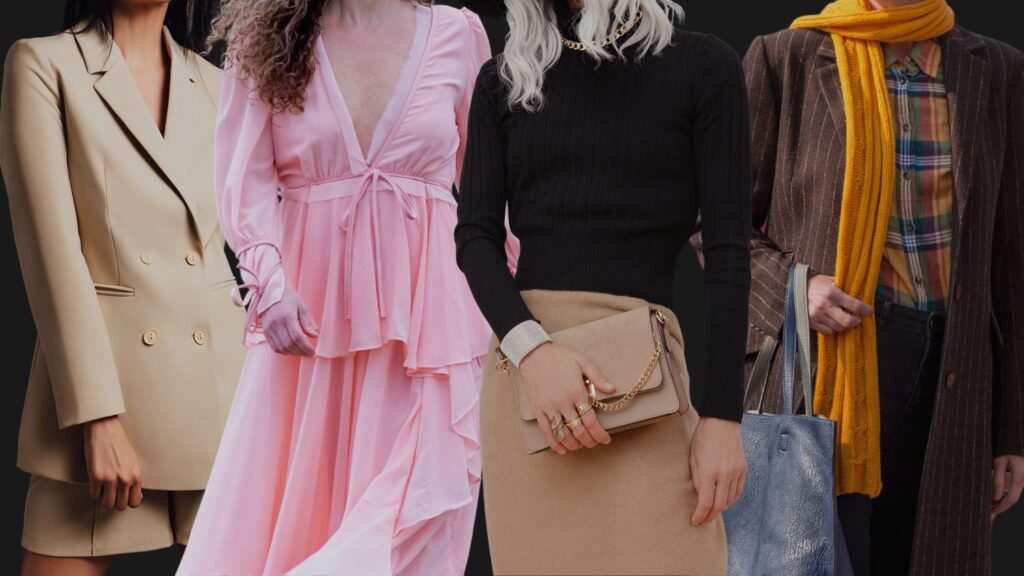
Beyond individual personality, style also reflects social and cultural influences. In some settings, appearance communicates social status or professional identity. A carefully tailored suit may signal authority in corporate environments, while traditional garments may convey respect for heritage and community values. Fashion movements themselves are often responses to cultural changes. For instance, minimalist styles often rise in times of economic restraint, while more extravagant trends emerge in periods of abundance.
Cultural exchange has further expanded the vocabulary of style. Globalization allows women from different regions to draw inspiration from one another, blending local traditions with international fashion. This mixture creates new forms of style that reflect both individuality and shared human creativity.
The Timeless Nature of True Style
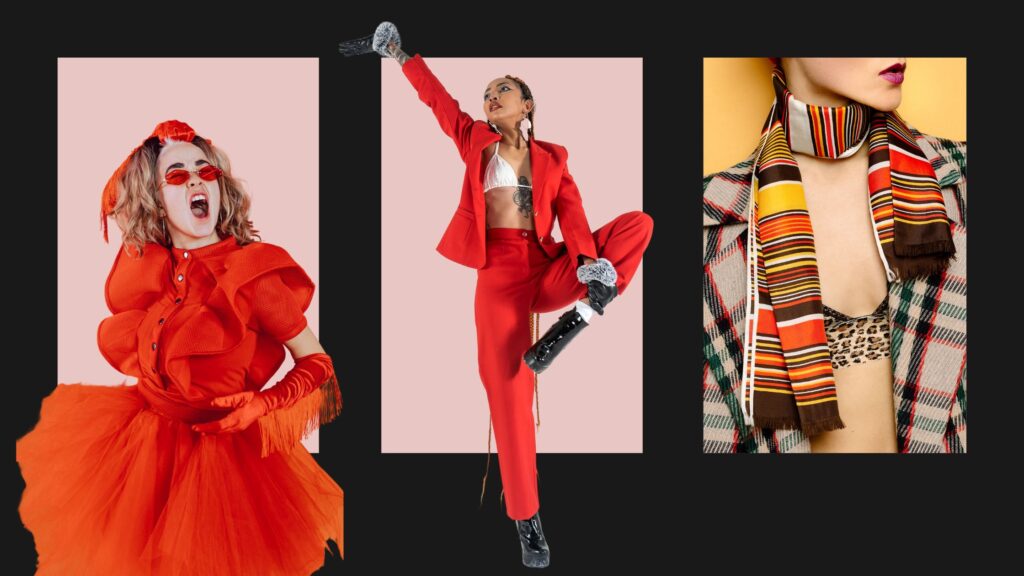
While trends come and go, true style never loses its relevance. A woman who understands her body, her preferences, and her lifestyle can create an image that feels authentic no matter what decade she lives in. The little black dress, a symbol popularized by Coco Chanel, illustrates this principle perfectly. Simple yet elegant, it can be adapted endlessly but always retains its charm.
Timeless style also provides confidence. When a woman knows her appearance resonates with who she is, she projects assurance in every aspect of her life. This is why stylists often encourage women to view clothing not as a costume but as an extension of identity. When chosen with thought, each piece of clothing becomes a tool of self-expression and empowerment.

The Role of Style in Everyday Life
For many women, style is not about luxury labels or runway trends but about how they feel when they step out of the house. A well-chosen outfit can set the tone for the day, influencing both self-confidence and how others respond. In professional contexts, style can enhance credibility, signaling seriousness and competence. In social settings, it can create connections, spark admiration, or invite conversation.
Importantly, style is not static. It evolves with life’s transitions—career changes, motherhood, maturity, or even shifting values. What a woman wears at twenty may differ greatly from what she prefers at forty, but both stages remain authentic expressions of her evolving identity. This natural transformation is part of the beauty of style: it grows as she grows.
 The Lasting Impression of Style
Ultimately, style is about leaving an impression that feels true to oneself. While appearances may change with age, trends, or circumstances, the essence of style lies in the harmony between outward image and inner spirit. It is a declaration of individuality in a world that constantly changes.
Coco Chanel’s words remind us that while fashion may move on, style endures. For women everywhere, this means that cultivating style is not about chasing every passing trend but about discovering what resonates most deeply with their character. In doing so, they create an image that is not only attractive but also meaningful, one that speaks eloquently without the need for words.
!! DOCTORS reveal that SWALLOWING your partner’s semen prov…

For something that has been a part of human intimacy for millennia, the act of swallowing semen remains shrouded in curiosity, misconceptions, and often, hushed conversation. While it’s a deeply personal decision made within the privacy of a relationship, modern science has, perhaps surprisingly, turned its lens on the subject, seeking to understand its composition and potential effects. Moving beyond myths and hearsay, what do studies actually reveal about swallowing your partner’s semen?
One persistent myth is that swallowing semen is a significant source of nutrition. While it *does* contain proteins and sugars, the volume produced during ejaculation is typically very small – ranging from half a teaspoon to a full teaspoon on average. The total nutritional content in this small amount is negligible when compared to daily dietary needs. To put it in perspective, you’d need to consume an extraordinary volume to get any meaningful amount of protein or calories, a scenario that is neither realistic nor the point of the act. Studies confirm that while it contains components found in food, semen is not a viable nutritional supplement.
Some of the more intriguing, and often cited, studies have explored potential physiological or psychological effects. Early research, particularly from the late 20th and early 21st centuries, *suggested* possible links between exposure to seminal plasma (often through oral sex) and outcomes like reduced risk of preeclampsia in pregnancy or even mood effects, sometimes linked to the presence of prostaglandins or other hormonal components. However, these studies often have limitations, require replication, and the mechanisms are not fully understood or universally accepted. While the body *can* absorb components through oral membranes, the extent and impact of this absorption from the small volume of semen are still areas requiring more definitive, large-scale research. It’s important to approach these findings with caution and recognize they don’t definitively prove significant health benefits.Crucially, any discussion of swallowing semen must address the primary health consideration: the risk of sexually transmitted infections (STIs). If a partner has an STI like HIV, gonorrhea, chlamydia, herpes, syphilis, or HPV in the genital or urethral area, these infections can absolutely be transmitted through oral sex involving ejaculation and swallowing. The mucous membranes in the mouth and throat can absorb pathogens. Studies on STI transmission routes clearly identify oral sex as a potential pathway. This risk is significantly higher if there are cuts, sores, or inflammation in the mouth. Therefore, knowing your partner’s STI status and using protection (like condoms during oral sex) are paramount considerations, regardless of any potential minor nutritional or debated physiological effects.
Beyond the biological and medical aspects, studies and psychological perspectives highlight that the act of swallowing semen is often deeply intertwined with intimacy, trust, communication, and personal preference within a relationship. It can be an act of vulnerability, pleasure, or simply a non-issue depending on the individuals involved. It’s not a mandatory part of oral sex, and whether or not someone chooses to do so is a personal decision based on comfort, desire, and the dynamics of the relationship, informed by an understanding of the potential health implications.
Interesting For You
Defining Beauty Beyond Appearance

When we think of beauty, we are often bombarded with images of flawless faces, perfect skin, and an ideal body type. However, beauty is more than skin deep. It is an aura that radiates from within, shaped by a person’s values, actions, and the way they make others feel. True beauty is an energy, a presence, and a glow that transcends mere physical features.
A beautiful girl is someone who doesn’t fit into society’s narrow definition of attractiveness. She is unique, unapologetically herself, and unafraid to express her individuality. Her beauty comes from the confidence she exudes, the grace with which she carries herself, and the way she interacts with the world around her.
The Inner Beauty of a Beautiful Girl

A beautiful girl is defined by more than her outward appearance. It is her spirit, her warmth, and her kindness that makes her truly remarkable. A beautiful girl uplifts others, spreads positivity, and inspires confidence. She doesn’t need validation from the world because she knows her worth.
Her kindness is evident in her interactions with others. She is empathetic, compassionate, and always ready to offer a helping hand. Whether it’s supporting a friend, volunteering her time, or speaking out for what is right, a beautiful girl’s heart shines through her actions. This kindness attracts others, making her someone people feel drawn to and safe with.
Her strength is another defining feature. A beautiful girl is resilient and determined, facing life’s challenges with courage and grace. She understands that life isn’t always easy, but she handles adversity with dignity and learns from her experiences. Her ability to rise above difficult situations is what makes her beautiful, not just her appearance.
Confidence and Self-Acceptance: The True Marks of Beauty

Confidence is a key trait of a beautiful girl. She knows that her worth is not determined by external standards or societal expectations. She is comfortable in her own skin and embraces her flaws. Rather than trying to meet an ideal of beauty, she creates her own, knowing that true beauty lies in authenticity.
Self-acceptance is another cornerstone of the beautiful girl’s character. She accepts herself fully, recognizing both her strengths and weaknesses. She is not afraid to show vulnerability, as she understands that it is part of what makes her human. This self-assurance is magnetic, and it makes her even more beautiful in the eyes of others.
The Beautiful Girl as a Role Model

A beautiful girl is often a role model to those around her. She leads by example, encouraging others to embrace their own unique qualities. Her positivity and sense of self-worth inspire those who may feel insecure or unsure of their place in the world. She teaches others that beauty isn’t something that can be measured by a ruler or defined by others—it is something that comes from within.

She understands the power of self-love and encourages others to practice it as well. By prioritizing her mental, emotional, and physical well-being, she sets an example for how to live a balanced, healthy life. Her self-love isn’t selfish; it’s a way for her to show up in the world as her best self and, in turn, share her light with others.
The Beautiful Girl’s Influence on Society

In a world often obsessed with appearance, the beautiful girl’s influence can be profound. She challenges the traditional ideals of beauty and redefines them. By embracing her uniqueness, she encourages others to do the same. Her presence calls for a shift in perspective, one where inner beauty is celebrated as much as outward appearance.
The beautiful girl understands that beauty comes in all shapes, sizes, colors, and ages. She knows that diversity is what makes the world vibrant and that everyone has their own version of beauty to offer. Her message is simple yet powerful: true beauty lies in being yourself, embracing your individuality, and spreading love and kindness wherever you go.
Conclusion: Celebrating the Beautiful Girl
The beautiful girl is a reflection of everything we aspire to be: kind, strong, confident, and authentic. She doesn’t seek validation from the world, because she already knows her worth. Her beauty is a combination of her inner strength, compassion, and confidence, and it is this beauty that leaves a lasting impact on those around her.
As we celebrate the beautiful girl, let us remember that beauty is not about fitting into a mold or meeting societal expectations. It is about being yourself, embracing your flaws, and radiating positivity and kindness. The true beauty of a girl lies not in how she looks, but in how she makes others feel. And that is the most powerful kind of beauty there is.