

Emirates plane crash-lands with 300 aboard; 1 firefighter
An Emirates airline flight traveling from India to Dubai crash-landed at Dubai’s primary airport on Wednesday, with all 300 individuals on board surviving, according to the airline.
One firefighter lost his life while responding to the incident, as stated by the airline’s chairman and CEO. Ahmed bin Saeed Al Maktoum also reported that 10 individuals were hospitalized following the event at Dubai International Airport.
Emirates confirmed that the 282 passengers and 18 crew members were safe and accounted for after the incident, although no further details regarding the occurrence were provided
There were indications of wind shear, or a sudden downdraft, at the airport during the aircraft’s descent, but it remained uncertain whether this had any impact on the situation, as noted by the airline’s CEO later on.
Dubai-based Emirates, recognized as the largest airline in the Middle East, reported that the crash-landing took place at 12:45 p.m. local time as Flight EK521 was approaching from the southern Indian city of Thiruvananthapuram.
Social media users reported seeing smoke at the site, and images depicted a plane ablaze on the airport’s runway.
A passenger, Iype Vallikadan, mentioned that the pilot had informed them of an issue with the landing gear as the aircraft approached Dubai, in the United Arab Emirates, and that an emergency landing would be executed, according to the Associated Press.
Following the landing, the cabin crew opened all emergency exits, and the evacuation of all individuals was completed within minutes, as reported by the news agency.
Among the passengers were six U.S. citizens, as stated by the airline. Additionally, there were 226 individuals from India, 24 from Britain, 11 from the Emirates, six from Saudi Arabia, five from Turkey, and four from Ireland.
Two individuals each hailed from Australia, Brazil, Germany, Malaysia, and Thailand, while one each came from Croatia, Egypt, Bosnia and Herzegovina, Lebanon, the Philippines, South Africa, Switzerland, and Tunisia
Boeing, the American aircraft manufacturer, announced that a technical team is ready to assist in the investigation alongside the National Transportation Safety Board.
Saif Mohamed Al Suwaidi, the director general of Dubai’s General Civil Aviation Authority, tweeted that the agency has activated the investigation team collaborating with Emirates Airlines and Dubai Airport. He stated, “Our primary concern at this moment is the safety and well-being of all passengers and cabin crew.”
Founded in 1985, Emirates has established a strong safety record. Dubai International Airport is the busiest in the region, accommodating 78 million passengers last year.
The airport reported that other flights experienced delays of approximately six hours and operations resumed shortly before 7 p.m. local time.
Interesting For You
HT10. Girl had to be hospitalized for wanting to use a pe…See more
It was an ordinary day for Emily, just like any other, when she went about her usual routine. She had been using tampons for years and had always considered it a simple, practical way to manage her period. But everything changed one night when, unknowingly, she made a mistake that would almost cost her life. Emily fell asleep with a tampon in, as many women do, and didn’t think twice about it. Unfortunately, that night she woke up to a serious health scare.
By the morning, she had developed a rash, her body was covered in hives, and she was feeling more unwell than she could explain. Initially, Emily thought it was just an allergic reaction to something she had come into contact with. But as her condition worsened, she visited her doctor again, and this time, the diagnosis was much more serious. The doctor urgently recommended she be hospitalized. Emily was soon diagnosed with Toxic Shock Syndrome (TSS), a rare and life-threatening bacterial infection often associated with tampon use.
What started as an ordinary day turned into an intense battle for Emily’s life. After spending two weeks in the hospital and undergoing multiple treatments, she miraculously recovered. Emily’s close call with TSS was a wake-up call for her — and it could be a warning for all women to be more aware of the risks associated with tampon use and the importance of taking simple precautions to protect their health.
What Is Toxic Shock Syndrome (TSS)?
Toxic Shock Syndrome (TSS) is a severe bacterial infection caused by toxins produced by the bacteria Staphylococcus aureus or Streptococcus pyogenes. These bacteria can produce toxins that enter the bloodstream and cause a range of harmful effects. While TSS is rare, it is extremely dangerous and can lead to severe complications, including organ failure and even death if not treated promptly. TSS is commonly linked to tampon use, particularly if tampons are left in for extended periods.
How TSS is Linked to Tampon Use
Tampons are designed to absorb menstrual blood, but when left in for too long, they can create an environment that encourages bacterial growth. Super-absorbent tampons, in particular, can increase the risk of TSS. These tampons can absorb a lot of fluid, but they also create a situation where bacteria can grow. The bacteria then produce toxins that enter the bloodstream, leading to TSS.
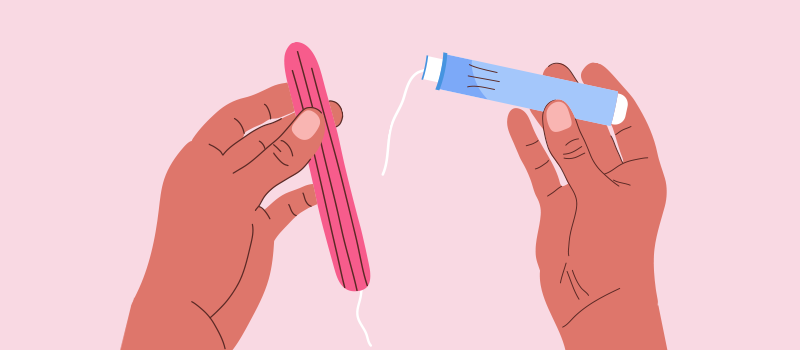
Research suggests that TSS is most common when tampons are left in for extended periods, particularly overnight or for more than the recommended 4-8 hours. While TSS is rare, the risk increases if the proper precautions are not followed.
Warning Signs of Toxic Shock Syndrome

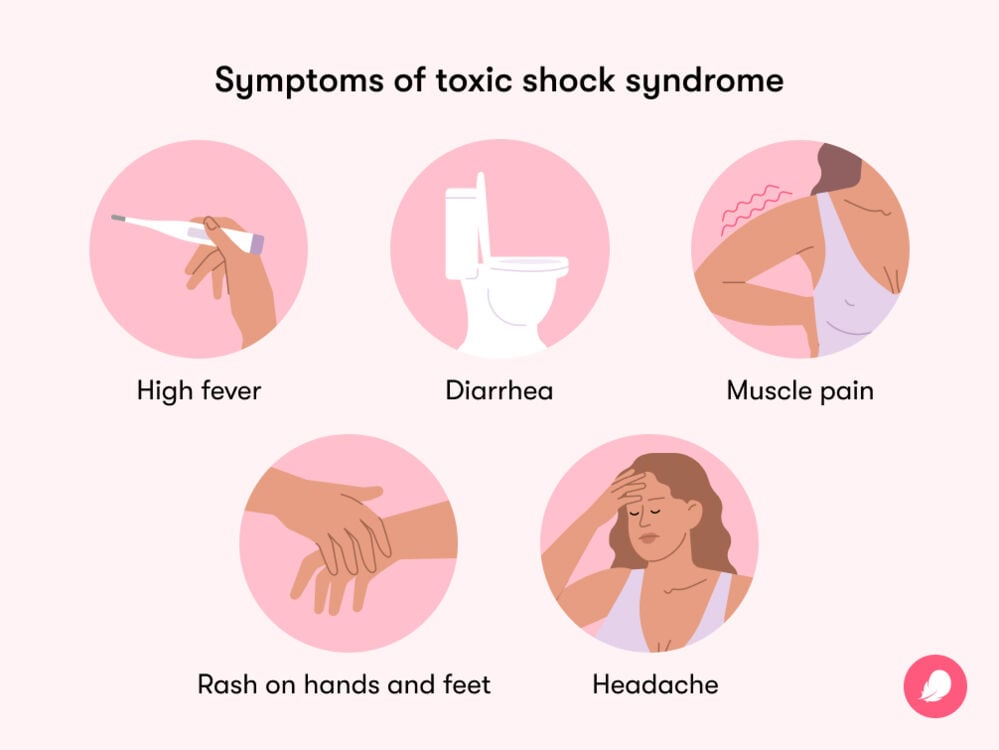
It is critical to recognize the symptoms of TSS early to prevent serious complications. TSS can develop very quickly, and early detection is crucial. The symptoms of TSS can resemble those of other illnesses, so it is important for women to be aware of them. Common signs and symptoms of TSS include:
-
High fever: A sudden, intense fever is often the first sign.
-
Rash: The rash may appear similar to sunburn and can cover large portions of the body.
-
Dizziness or fainting: This is due to the toxins causing a drop in blood pressure.
-
Muscle aches: Pain in the muscles is often a symptom of TSS.
-
Nausea and vomiting: These symptoms typically accompany the condition and can make you feel extremely ill.
-
Low blood pressure: Low blood pressure can lead to dizziness, fainting, or shock.
If you experience any of these symptoms, especially after using a tampon, you should remove the tampon immediately and seek medical help as soon as possible.
How to Prevent Toxic Shock Syndrome (TSS)

The good news is that TSS is preventable. By following simple guidelines, you can significantly reduce your risk of developing this life-threatening condition. The key to prevention lies in proper tampon use, regular changes, and maintaining good hygiene. Here are essential tips to help protect yourself:
1. Use Low Absorbency Tampons
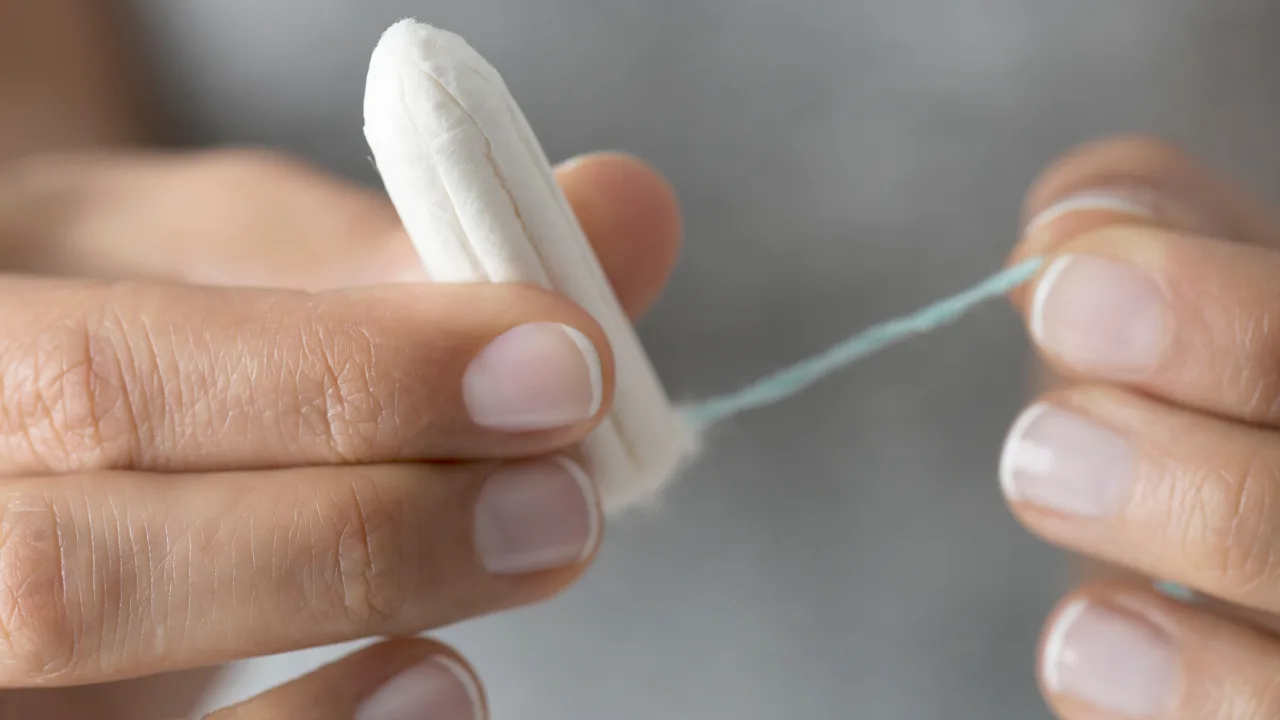
One of the best ways to reduce your risk of TSS is to choose tampons with the lowest absorbency that suits your menstrual flow. Super absorbent tampons can increase the risk of bacterial growth, as they absorb a large amount of fluid and may not be as effective at preventing the growth of harmful bacteria. Opt for the lowest absorbency that matches your needs, especially during lighter days of your period.
2. Change Tampons Regularly

Never leave a tampon in for more than 4-8 hours. Tampons should be changed at least every 4 hours, depending on your flow. Leaving tampons in for long periods increases the risk of TSS, as the tampon becomes saturated with menstrual fluid, creating a breeding ground for bacteria. If you’re planning to sleep for longer periods, consider using pads instead of tampons to reduce the risk of leaving one in overnight.
3. Alternate Between Tampons and Pads

For lighter flow days, consider using pads instead of tampons. This allows the body to have a break from tampon use and helps reduce the risk of TSS. Alternating between the two options can also help prevent tampons from being left in for extended periods.
4. Avoid Wearing Tampons Immediately Before Bed

If you need to wear a tampon before bed, make sure to change it right before going to sleep. It’s recommended not to leave a tampon in overnight as this increases the chances of bacterial growth. For added safety, consider wearing pads while sleeping to ensure no tampon remains in place for an extended period.
5. Practice Good Hygiene
Always wash your hands thoroughly before and after inserting a tampon. This helps minimize the introduction of bacteria into the vaginal area. Ensure that tampons are stored in a dry and clean place to prevent them from becoming contaminated before use. This simple hygiene step can significantly reduce the risk of bacterial infection.
Why It’s Crucial to Take TSS Seriously

Toxic Shock Syndrome is not a condition that should be taken lightly. While it is rare, it is a life-threatening condition that can cause serious health complications if not addressed promptly. Early detection and immediate medical treatment are crucial for survival. If you experience any of the warning signs of TSS, do not hesitate—seek medical help immediately.
Many women may underestimate the seriousness of TSS, often thinking of it as an unlikely occurrence. However, the reality is that TSS can happen to anyone, especially those who use tampons. Being informed and proactive about your menstrual health can help you avoid unnecessary risks.
Conclusion: Stay Safe and Informed
Toxic Shock Syndrome (TSS) is a rare but serious condition that can result from improper tampon use. By following simple guidelines, such as using the right tampon absorbency, changing tampons regularly, and maintaining good hygiene, you can significantly reduce your risk. If you notice any symptoms of TSS, act quickly and seek medical help immediately.
TSS is preventable, and awareness is the key to preventing it. By taking these safety measures and staying informed, you can protect your health while using tampons safely. Share this information with other women to help raise awareness and ensure everyone takes the necessary precautions to avoid this dangerous condition.
Interesting For You













Video🎬👇